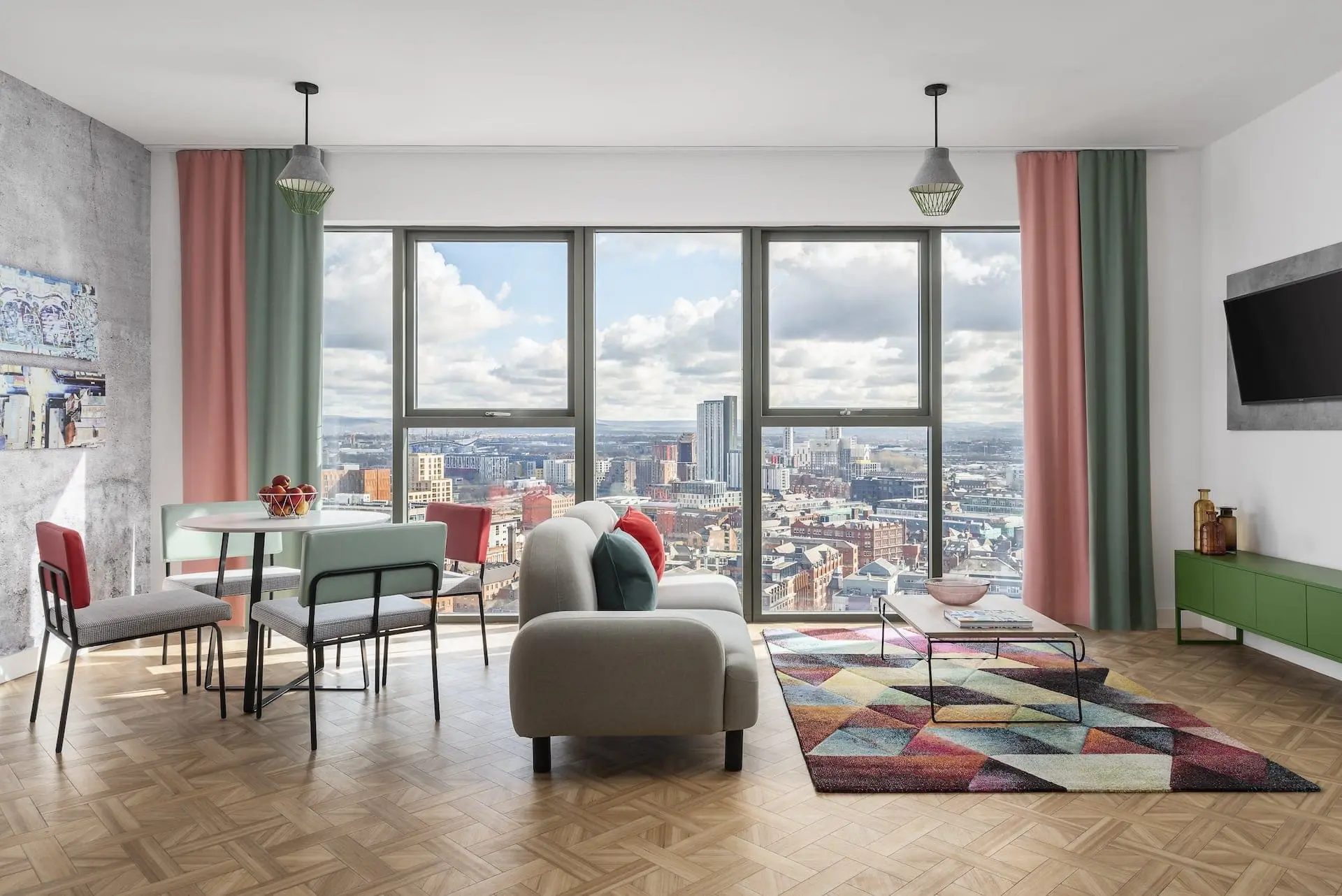

In the evolving landscape of corporate travel, the demand for a “home away from home” has never been higher. However, as we move through 2026, a persistent challenge remains: the lack of universal standardisation.
Unlike the predictable four-star hotel model—where room size, bed type, service levels, and cancellation terms are broadly understood—serviced apartments operate within a fragmented and loosely defined ecosystem. With no single regulatory framework or universally enforced operating standards, the guest experience can vary significantly, often shaped by assumptions rather than clear, comparable benchmarks.
This variability extends beyond aesthetics and into everyday functionality—details such as bed size standards (UK king vs US queen), access to on-site staff, or whether laundry is located within the apartment or in a shared facility are not always apparent at the point of booking, yet can materially impact the guest experience.
This guide explores the structural reasons for this variance, the risks of the “grey market”, and why navigating these nuances requires more than just an online search.
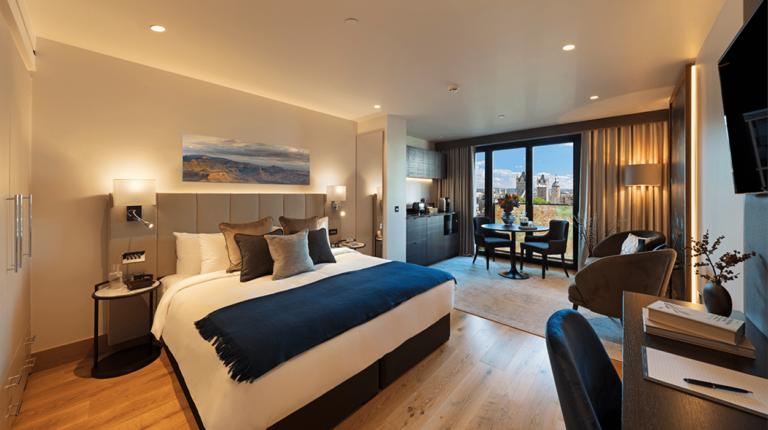
The Spectrum of “Standard”: Decoding Accommodation Types
To understand why serviced apartment experiences can differ so dramatically, it’s essential to first decode the asset itself. Unlike hotels—where star ratings act as a universal shorthand—serviced accommodation spans multiple formats, each shaped by different operating models, real estate constraints, and service expectations.
Broadly, the market falls into three primary categories, each offering a distinct balance of consistency, space, and service.
1. Aparthotels – High Standardisation
Aparthotels are purpose-built developments operated by established global or regional brands such as Citadines, Staycity, or Adagio. These assets are designed from the outset to deliver repeatable experiences across multiple locations.
The Reality
Operationally, aparthotels function much like traditional hotels. Guests benefit from 24/7 front desks or concierge services, scheduled housekeeping, rapid maintenance response, and clearly defined service protocols. Facilities such as gyms, lounges, co-working areas, and food and beverage offerings are often part of the proposition.
The Nuance
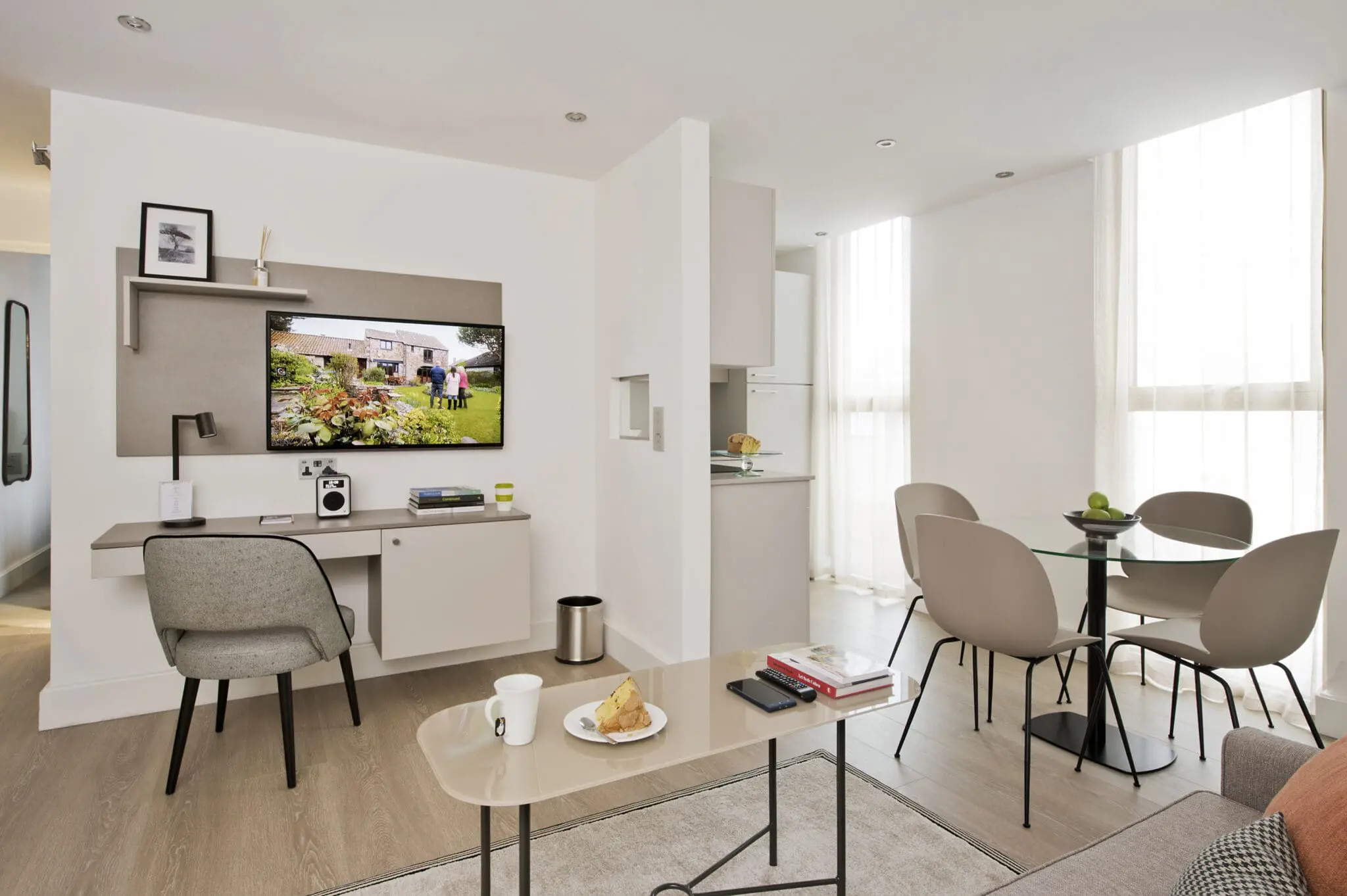
The trade-off for this predictability is often space. Apartments tend to be compact and open-plan by design, prioritising operational efficiency and consistency over generous layouts. For shorter stays or frequent business travel, this works well; for longer assignments or relocations, it may feel restrictive.
While bed configurations and service availability are generally reliable, even aparthotels can vary internationally—what is marketed as a “king bed” may differ by region, which can be an unexpected friction point for frequent or senior travellers.
2. Fully Managed Serviced Apartment Buildings & Corporate Housing Blocks – Medium Standardisation
These properties typically sit within residential buildings or dedicated corporate housing developments, managed end-to-end by a single professional operator.
The Reality
Guests gain more space and a stronger residential feel, often with separate living, dining, and sleeping areas. Buildings may include lifts, reception desks, or on-site management teams, though this varies by location. The experience is less transactional than a hotel and more aligned with “living” rather than “staying.”
The Nuance
Service levels are not always uniform. Housekeeping schedules are usually lighter than in aparthotels, and maintenance response times depend heavily on whether staff are based on-site or outsourced. Two buildings managed by the same provider can still feel markedly different depending on age, layout, and infrastructure.
Concierge services, where offered, may operate only during limited hours rather than 24/7—an important consideration for travellers arriving late, working irregular hours, or operating under strict corporate duty-of-care expectations.
3. Residential-Style Managed Units – Variable Standardisation
This category includes individual apartments within private residential blocks, professionally managed by independent hospitality or serviced accommodation companies.
The Reality
These units offer the most authentic “local living” experience. Utilities, Wi-Fi, and cleaning are bundled into one rate, and stay lengths are flexible—making them appealing for extended projects, relocations, or cost-conscious programmes.
The Nuance
Consistency is the challenge. Furnishing quality, layout, and equipment can vary not just by building, but from unit to unit within the same block. With management teams typically off-site, maintenance response times are often longer, and guest support can feel less immediate than in more centralised models.
Additionally, the absence of on-site staff in many residential-style units can conflict with corporate travel policies that prioritise immediate support, security oversight, and visible duty-of-care compliance.
Why Standards Vary: The Three Core Variables
When users ask, “Why do serviced apartment standards vary by country?”, the answer lies in a mix of architecture, law, and logistics.
1. Real Estate DNA & Urban Heritage
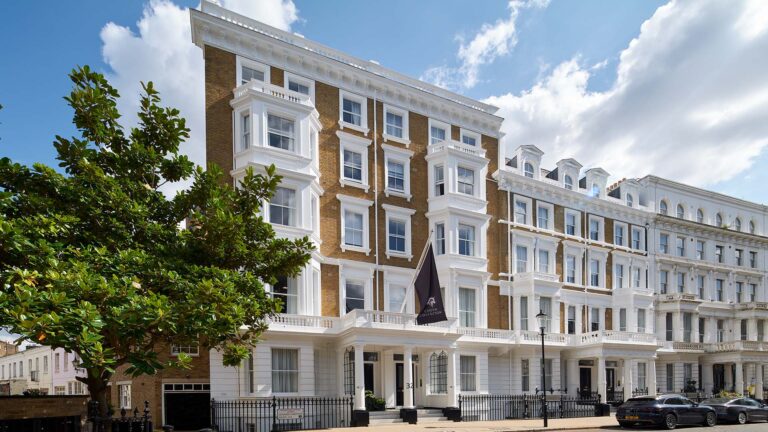
In cities like London, Edinburgh, or Paris, much of the serviced apartment stock is created through conversion rather than construction. You cannot standardise Victorian townhouses, Georgian terraces, or warehouse lofts. Ceiling heights, room proportions, and layouts are dictated by history, not brand guidelines.
By contrast, a “standard studio” in a modern Singapore or Dubai high-rise is purpose-built for uniformity. Both may be labelled the same online, but the lived experience is fundamentally different.
2. Regional Regulations and Local Constraints
Local legislation plays a decisive role in defining service standards. In some markets, daily housekeeping is a legal requirement; in others, a weekly clean satisfies compliance. London’s short-term letting restrictions, including the well-known 90-day rule, directly influence how apartments can be operated, serviced, and marketed.
These legal frameworks shape not just what operators offer, but what they are allowed to provide—creating variation that is invisible to the end booker.
These regulations also impact cancellation terms—particularly for longer stays and peak periods—where policies may be more restrictive than corporate travellers expect, especially when compared with hotel flexibility.
3. The Expansion of the “Grey Market”
The rise of peer-to-peer platforms has further blurred the lines. Professionally managed serviced apartments operate under strict Duty of Care obligations. Meanwhile, grey-market rentals may present well online but lack verified fire safety documentation, secure key management, or compliant insurance.
For corporate travellers, this distinction is not cosmetic—it’s operational risk.
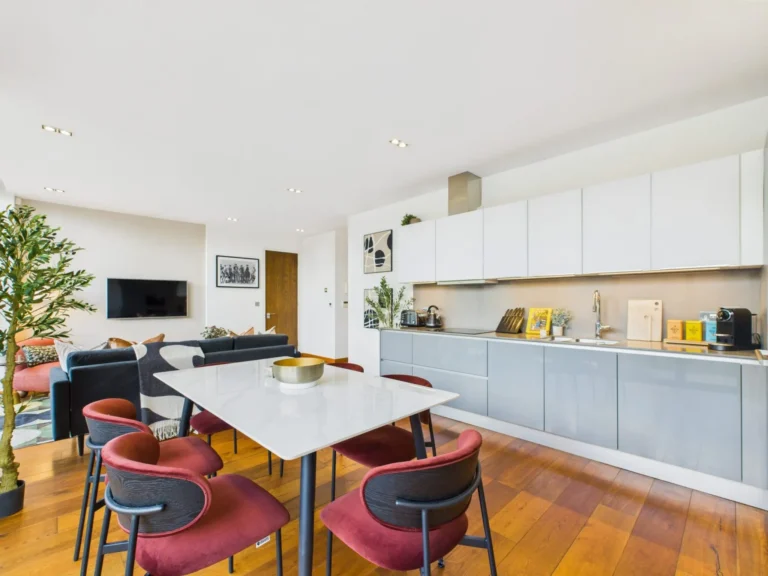
The Duty of Care Gap: Safety Beyond the Photos
By 2026, “safety” and “compliance” consistently rank among the most searched terms by travel managers. The largest disconnect between expectation and reality occurs when a visually impressive listing fails the most basic safety audit.
A professional serviced apartment is not simply a furnished space. It is a compliant asset.
This means PAT-tested appliances, fire-retardant furnishings aligned with UK regulations, documented fire risk assessments, and carbon monoxide monitoring. These fundamentals are often absent in non-vetted residential rentals, regardless of how compelling the photography appears.
It also includes predictable access to support—whether through on-site teams or guaranteed response protocols—something often missing where no staff are physically present
Why Agencies Matter: Translating Complexity into Certainty
The question often arises: Is it better to book corporate housing directly or through an agency? The answer lies in vetting, leverage, and accountability.
1. Physical Vetting vs Digital Promises
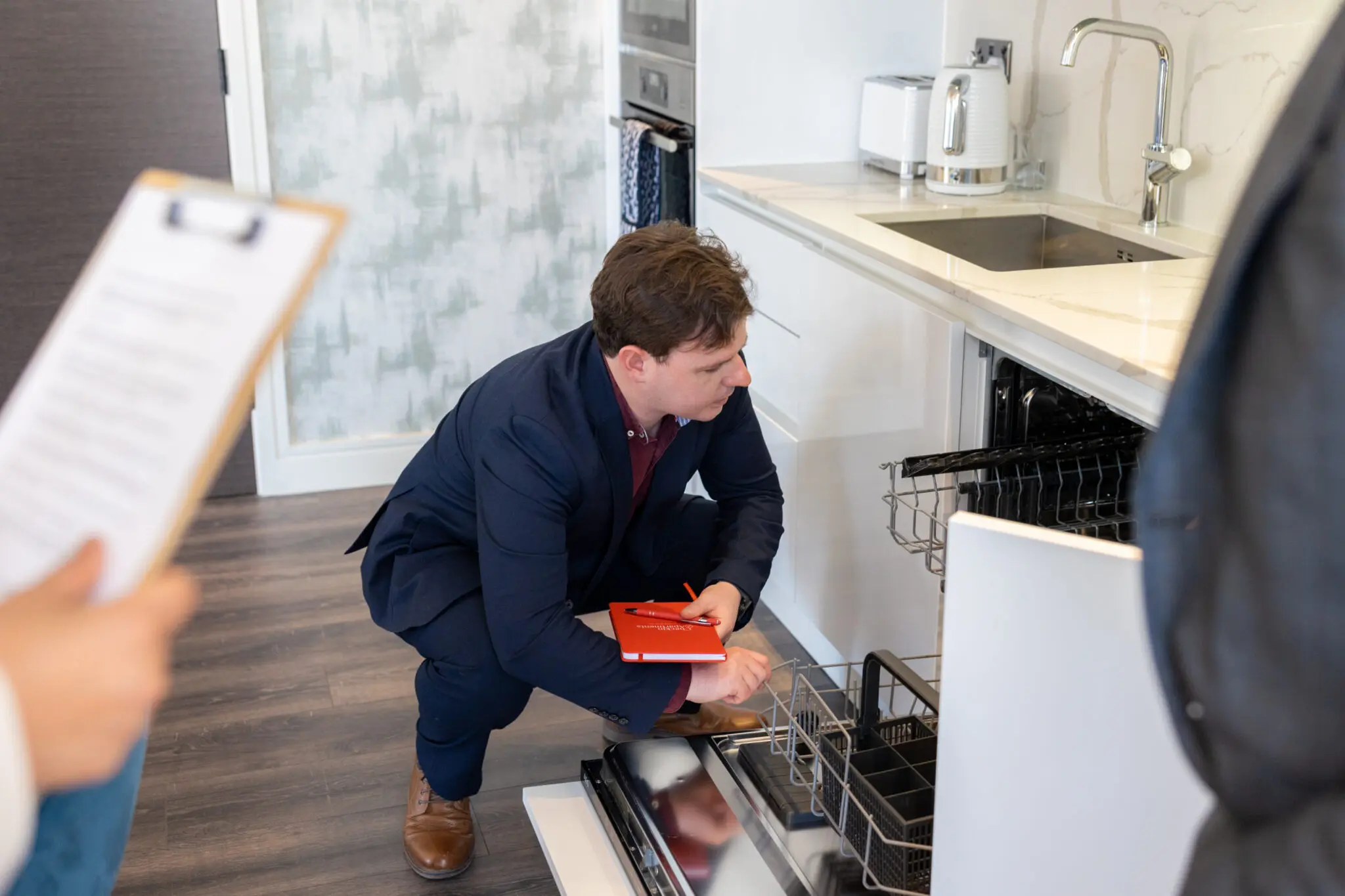
Online listings present an idealised snapshot. Agencies provide operational truth. They assess bed configurations, laundry setups, concierge hours, Wi-Fi reliability, and neighbourhood dynamics—often recommending physical viewings when photography alone cannot tell the full story.
2. Mitigating the “Bait and Switch”
Direct bookings often leave guests at the mercy of the operator. If your assigned unit has a plumbing issue, a solo traveller has little recourse. An agency has the aggregated power to move you to a superior unit or a different provider entirely, ensuring no downtime for the traveller.
3. Translating Detail into Liveability
To a search engine, “kitchenette” and “full kitchen” may appear interchangeable. To an agency, the detail and distinction is critical. For a 30-day relocation, the absence of in-room laundry facilities or proper cooking facilities materially impacts liveability. Agencies align accommodation features with the actual needs of the stay, not just the headline description.
For a 30-day or longer stay, the absence of in-unit laundry, a full oven, or sufficient storage materially affects day-to-day living—factors that agencies proactively align with the true requirements of the assignment.
Conclusion: Consistency is a Service, Not a Product
In serviced accommodation, standardisation is not about identical interiors—it’s about predictable outcomes. Reliable safety, clear service levels, and fit-for-purpose living environments do not happen by chance. They are curated.
By understanding the structural nuances of the market and working with a specialist agency, organisations move from managing uncertainty to guaranteeing standards—transforming accommodation from a risk variable into a strategic asset.
Enquire now
Complete the details below to discuss the best serviced accommodation during your next stay.