
When a home becomes uninhabitable due to fire, flood, or major repairs, both insurers and policyholders face the same urgent challenge: finding safe, comfortable, and flexible temporary housing that meets everyone’s needs.
Traditionally, hotels were the go-to option. But for longer stays, families and individuals now prefer serviced apartments — offering the comfort of a home, the convenience of a hotel, and the flexibility insurance claims demand.
This guide explains why serviced apartments have become the preferred alternative accommodation for insurers, loss adjusters, and displaced residents across the UK — and what to look for when booking.
Whether you’re a claims handler, broker, relocation manager, or policyholder, this article offers a comprehensive overview of how serviced apartments solve today’s insurance housing challenges.

1. Understanding Insurance Accommodation
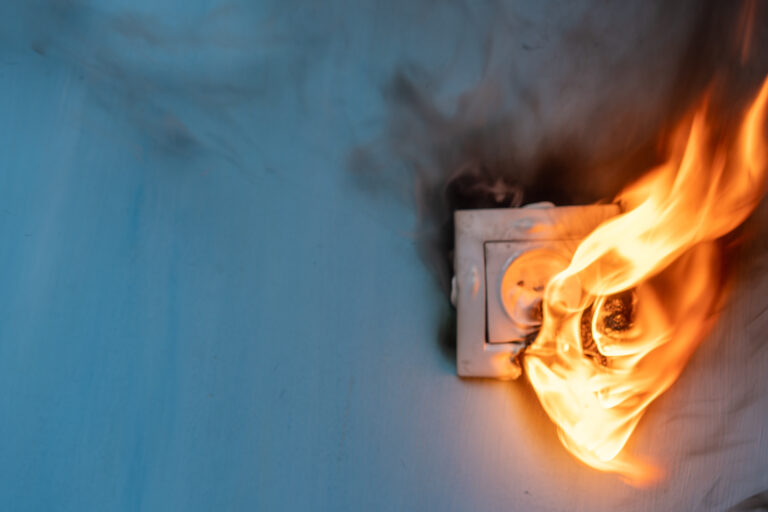
Insurance accommodation refers to temporary housing arranged for policyholders whose properties are uninhabitable following an insured event. “Uninhabitable” can cover a wide range of conditions depending on the insurer and policy — from structural damage and loss of essential services (water, electricity, heating, sanitary facilities) to serious flood or storm damage, or even when a property is made unsafe by hazards such as extensive mould, fire or water damage. The cost is typically covered under the Alternative Accommodation or Loss of Use clause in a home or contents policy.
The aim is simple: to provide safe, appropriate housing for the insured until repairs are complete. This could last anywhere from a few nights to several months, depending on the extent of the damage.
2. Common Types of Insurance Bookings
Insurance bookings vary in duration, complexity, and urgency. Importantly: “uninhabitable” doesn’t always mean total loss — even if only part of the home is affected (e.g. kitchen or bathroom), occupancy might be impossible; insurers may respond with temporary accommodation or on-site solutions (temporary kitchens/bathrooms) depending on severity.
The most common scenarios include:
a) Home Damage or Total Loss
When a property is destroyed or severely damaged by fire, flood, or structural failure, insurers arrange temporary alternative accommodation to house policyholders until restoration or rebuilding is complete.
b) Liability or Injury-Related Stays
If an injury or health issue makes a home unsuitable — such as the need for ground-floor access or step-free entry — a serviced apartment can be quickly sourced with the required accessibility features.
c) Escape of Water and Repairs
Even minor incidents, such as burst pipes or water damage, can force short-term relocations. Serviced apartments provide flexible, ready-to-move-in accommodation for the repair period.
d) Catastrophe or Large-Loss Events
During regional disasters or large-scale property losses, insurers often rely on specialist providers to secure multiple serviced apartments for displaced residents, ensuring quick rehousing and comfort.

3. Booking Pathways: Through Insurer or Directly
There are two main ways to secure temporary insurance accommodation:
a) Through the Insurance Company or Loss Adjuster
Most insurance bookings are managed by the insurer or a loss adjuster, who partners with accommodation specialists to arrange housing on behalf of policyholders. These partners handle:
- Budget compliance and daily rate limits
- Invoicing and documentation for claims
- Extension requests and reporting
This ensures full transparency and minimal stress for the insured.
b) Direct Booking via a Specialist Agency
Some policyholders prefer to book directly with serviced apartment specialists like Checkin Apartments, especially if they are self-managing their claim. This route allows them to:
- Choose from a range of verified apartments
- Stay close to schools, work, or healthcare
- Receive flexible terms aligned with insurance reimbursement requirements
Agencies experienced in insurance accommodation ensure documentation (invoices, tenancy confirmations, rate breakdowns) meets insurer standards.
4. Why Serviced Apartments Are Ideal for Insurance Stays
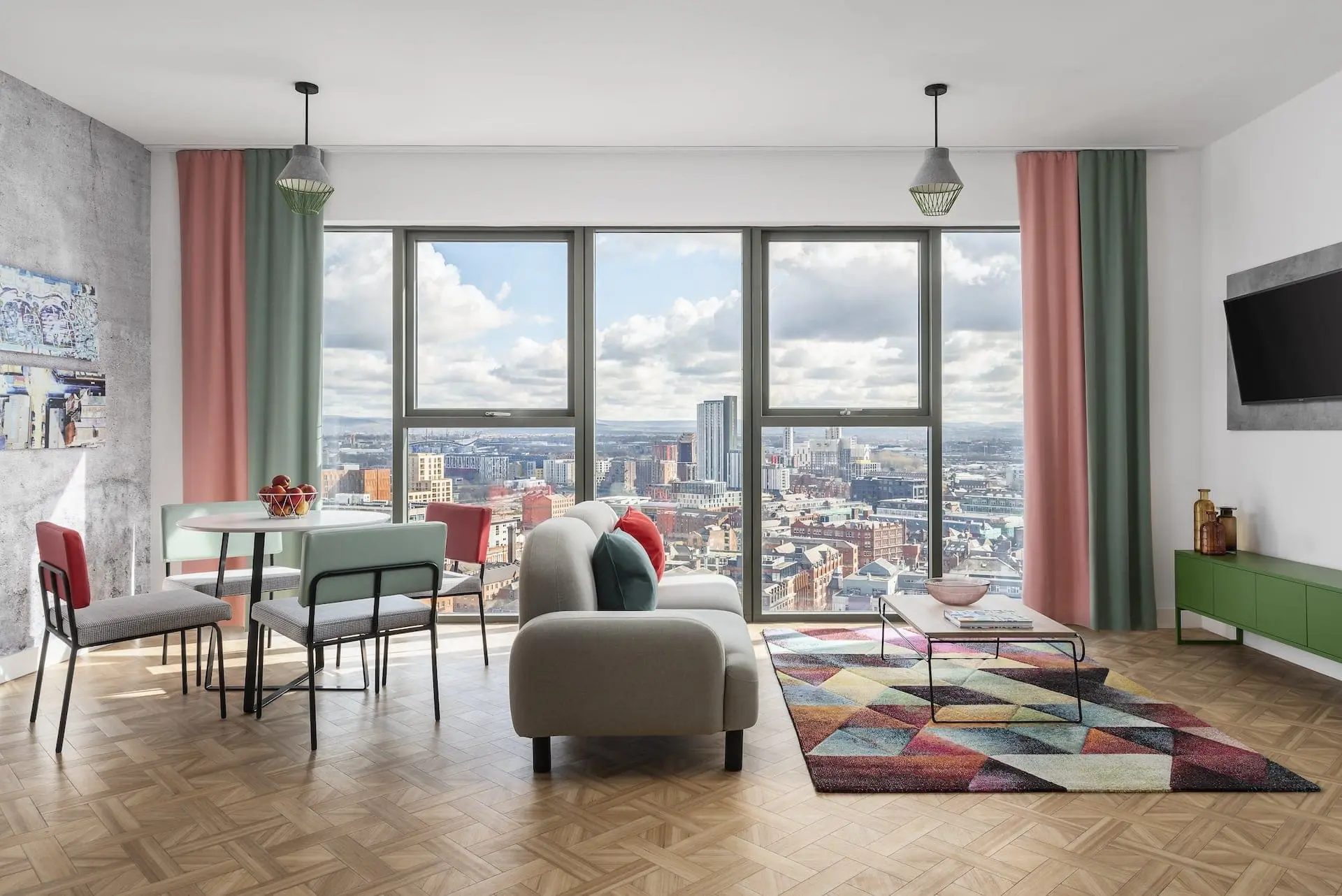
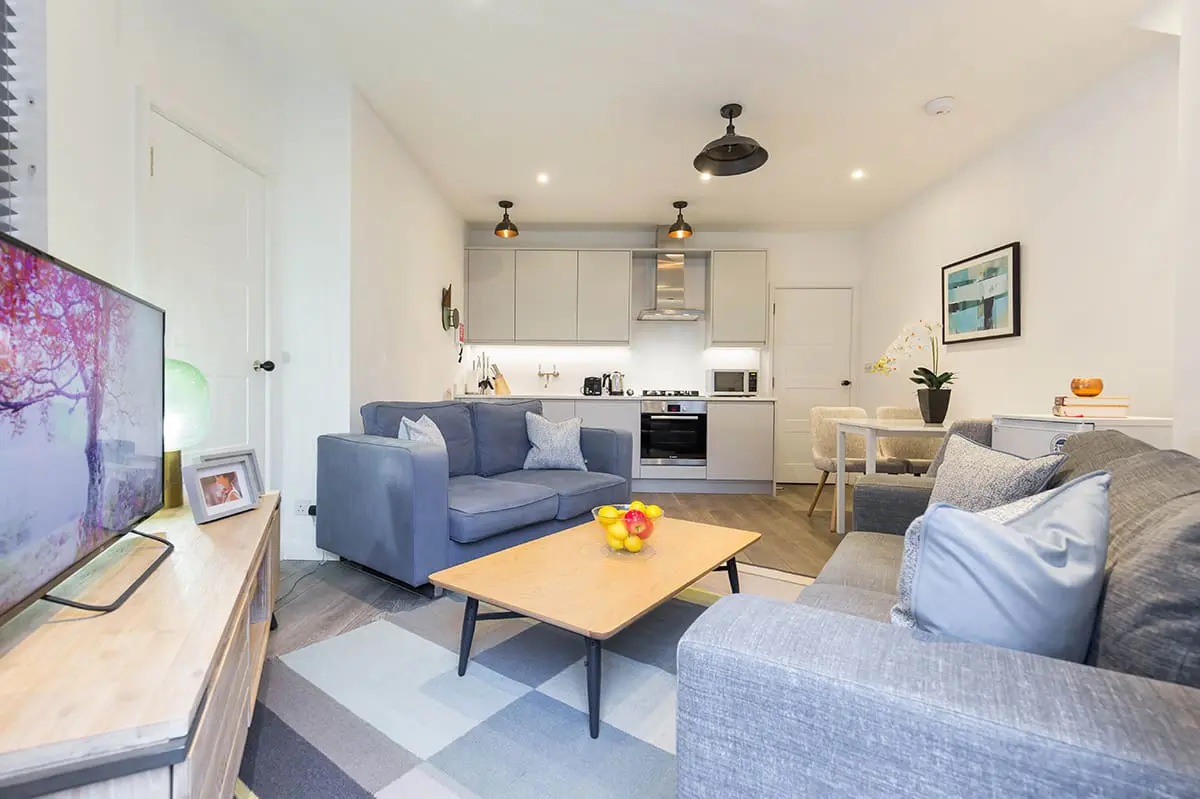
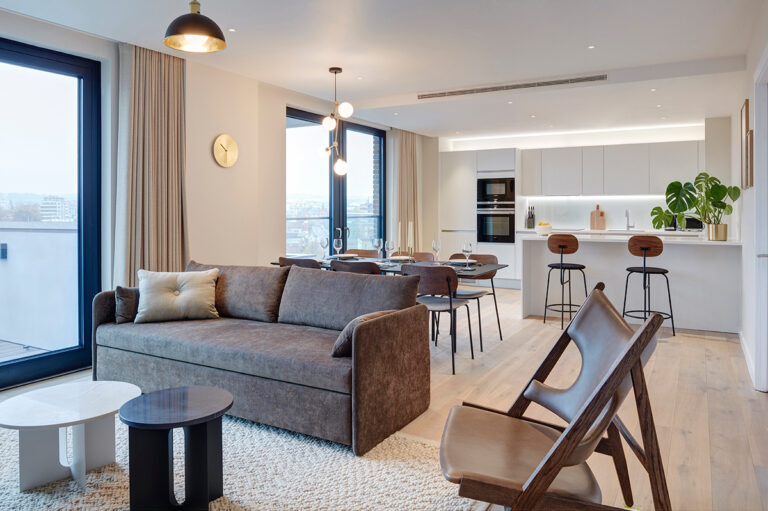
Serviced apartments are designed to feel like home — which is exactly what displaced families and individuals need. They offer:
- Fully furnished, move-in-ready homes with kitchens, living areas, and laundry facilities
- Significant savings compared to hotel stays, especially for long-term bookings
- Flexible extensions to match uncertain repair timelines
- Privacy and space for families, couples, or individuals
- Inclusive bills and weekly cleaning, simplifying budgeting
- Convenient city and suburban locations near schools, workplaces, and transport links
For insurers, these benefits mean lower overall claim costs and higher policyholder satisfaction — a win for both sides.

5. Managing Special Requirements
No two insurance stays are the same. Serviced apartment specialists excel at accommodating unique needs such as:
- Accessibility: Ground-floor units, step-free access, or adapted bathrooms
- Pet-friendly apartments for households with animals
- Proximity to schools, workplaces, or hospitals
- Parking, storage, and high-speed Wi-Fi
- Flexible housekeeping or linen options
Providers like Checkin Apartments liaise with both insurers and guests to ensure every requirement is managed sensitively and efficiently.
6. Finding the Right Accommodation
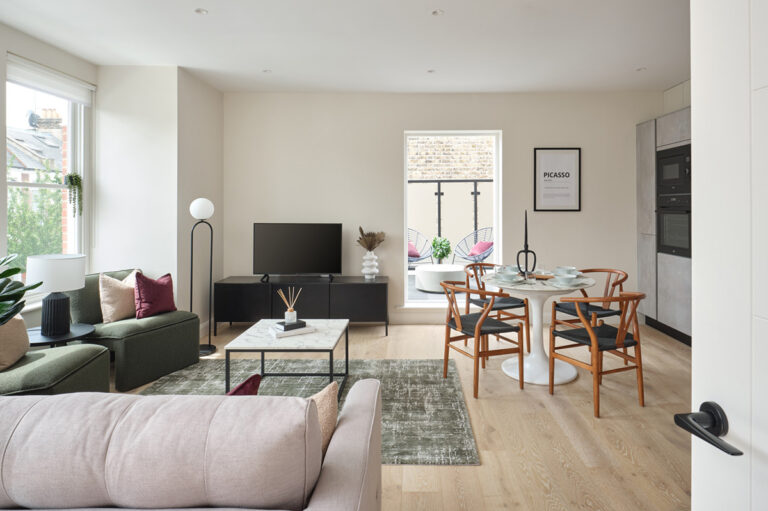
Choosing the right insurance housing solution is about more than availability. Look for:
- Accreditation: Properties verified by bodies such as ISAAP or ASAP
- Transparent pricing: All bills, Wi-Fi, and cleaning included
- Professional management with 24/7 guest support
- Convenient locations in safe residential areas
- Flexible booking terms to accommodate changes in repair timelines
A trusted agency will handle every detail, ensuring a seamless transition into and out of the accommodation.
7. Important Considerations and Common Pitfalls
Before booking, both insurers and policyholders should be mindful of the following:
Be Aware Of:
- Policy daily rate limits and stay caps
- Pre-approval requirements for booking or extending stays
- Cancellation or early departure terms
- The need for detailed invoices and reports for claim processing
Avoid:
- Booking non-refundable properties without insurer approval
- Committing to long-term leases that exceed insurance budgets
- Ignoring accessibility or family needs, leading to discomfort or relocation later
8. Conclusion: Rebuilding Comfort and Stability After a Claim
For those suddenly displaced, serviced apartments offer more than just a place to stay — they provide privacy, independence, and normality during a challenging time.
For insurers and loss adjusters, they deliver cost control, flexibility, and higher customer satisfaction compared with hotels or rental properties.
At Checkin Apartments, we work with insurance providers, relocation teams, and private clients to secure the right accommodation across the UK — ensuring comfort, convenience, and peace of mind from day one.
Our serviced apartments are fully furnished, professionally managed, and ready to move into.
Enquire now
Complete the details below to discuss the best serviced accommodation for your situation or policyholder’s needs.